
How to Choose Baby Clothes for Sensitive Skin: A Cotton Lover's Guide
- claesam
- Nov 21, 2025
- 5 min read
As a parent, there's nothing quite like that moment when you're shopping for your little one and you find yourself running your fingers across the softest cotton fabric, imagining how gentle it will feel against their delicate skin. I've been there countless times, and I know that when you have a baby with sensitive skin, choosing the right clothes becomes so much more than just picking something cute: it becomes about their comfort, their health, and ultimately, those peaceful nights we all treasure.
When our little ones have sensitive skin, every fabric choice matters. I've learned that the difference between a happy, comfortable baby and one who's fussy and irritated can often come down to what they're wearing next to their skin. That's why I'm passionate about sharing what I've discovered about choosing the perfect cotton baby clothes for sensitive skin.
Understanding Our Babies' Delicate Skin
Our babies' skin is incredibly different from ours: it's thinner, more permeable, and so much more reactive to the world around them. When I first held my little one, I was amazed by how soft and delicate their skin felt, but I also realized how vulnerable it was to irritation.
Sensitive skin in babies often shows up as redness, dryness, or those heartbreaking little rashes that make us want to wrap them in the softest cloud we can find. Some of our little ones are more prone to eczema or other skin conditions that make clothing choices even more critical. What I've learned is that babies' skin is simply more susceptible to irritation from rough fabrics, harsh chemicals, and anything that doesn't breathe well.
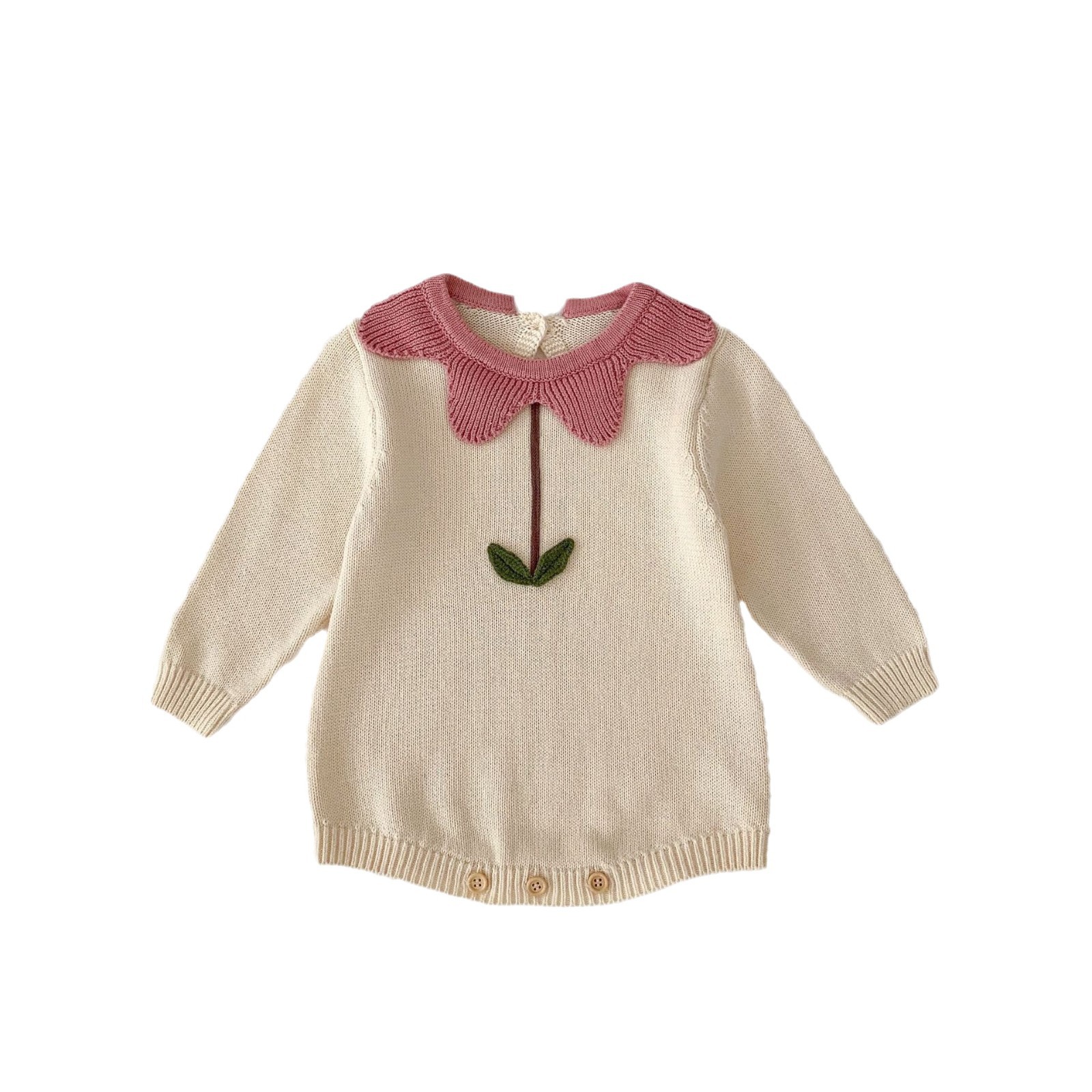
Why I'm a True Cotton Believer
After trying various fabrics and seeing the difference they made for sensitive skin, I became a complete convert to organic cotton. There's something magical about how organic cotton feels: it's not just soft, it's genuinely gentle in a way that makes you understand why it's been cherished for baby clothes for generations.
What makes organic cotton so special for our sensitive-skinned babies is that it's grown without those harsh synthetic pesticides, insecticides, or fertilizers that can linger in conventional fabrics. When I learned that these chemicals could potentially irritate my baby's skin, the choice became clear. Organic cotton is naturally hypoallergenic, breathable, and gets softer with every wash rather than rougher.
The breathability factor is huge: organic cotton allows air to circulate around our babies' skin, preventing that uncomfortable trapped moisture that can lead to rashes and irritation. Plus, it has these wonderful moisture-absorbing properties that help keep little ones dry and comfortable throughout the day.
I've also found that high-quality organic cotton is incredibly durable. Those precious little outfits that start so soft actually maintain their gentleness wash after wash, which means they're perfect for passing down to siblings or friends. There's something beautiful about knowing that a piece of clothing will stay just as gentle for the next little one who wears it.
What I Look for When Shopping for Cotton Baby Clothes
When I'm shopping for my sensitive-skinned baby, I've developed a routine that starts before I even touch the clothes. First, I read every label carefully. I look for that "organic" designation and natural fiber content: cotton, bamboo, or other plant-based materials that I know will be kind to delicate skin.
Certifications have become my best friends in this journey. When I see OEKO-TEX or GOTS (Global Organic Textile Standard) labels, I know I'm looking at clothes that have met strict standards for organic farming and textile processing. It's like having a trusted friend vouch for the safety and gentleness of what I'm buying.
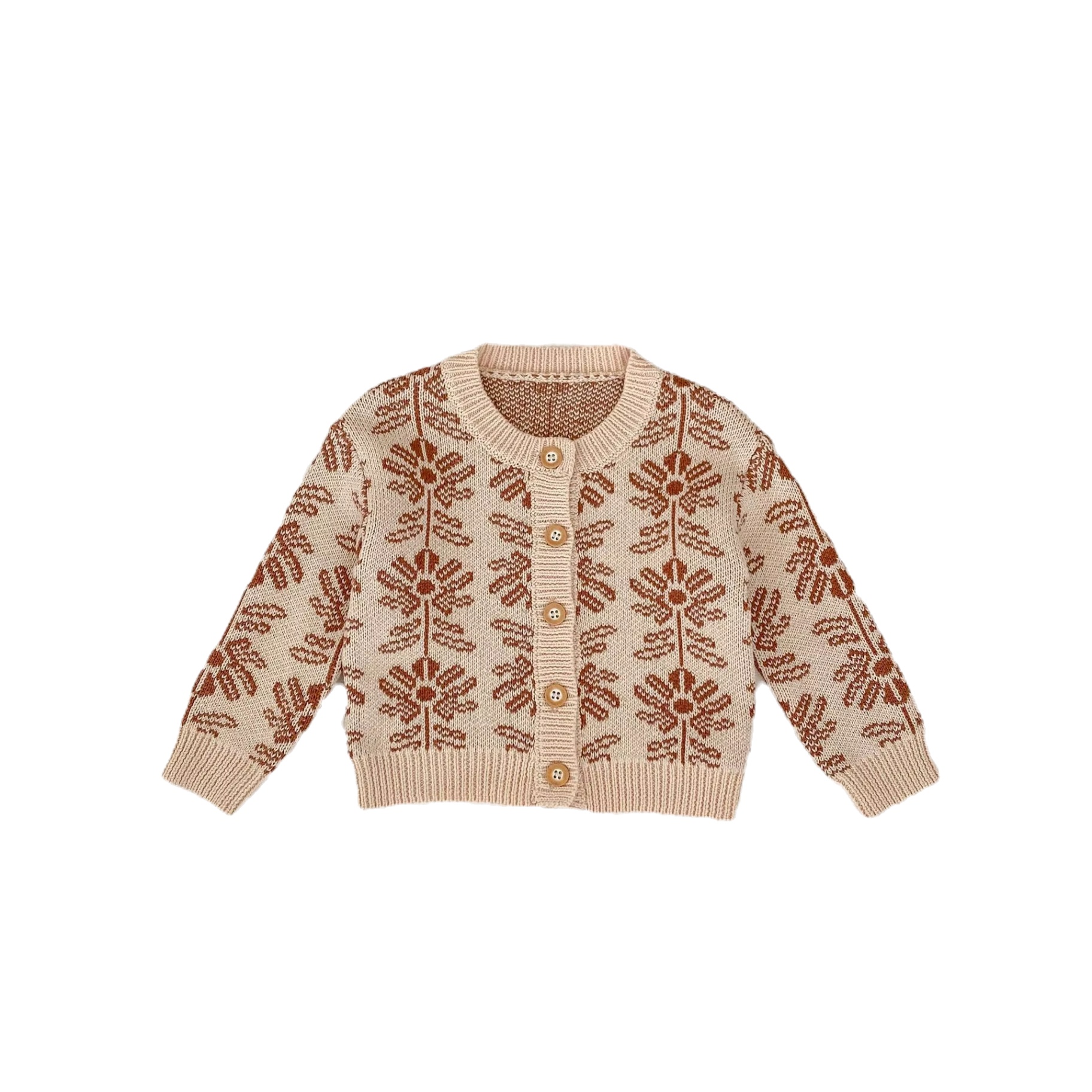
But here's something I learned the hard way: I always feel the fabric myself. If something feels scratchy or rough to my adult hands, imagine how it feels to a baby's tender skin. I run my fingers over seams, check for rough edges or tags, and make sure everything feels as soft as I'd want against my own face.
The fit is just as important as the fabric. I've found that loose-fitting clothes are our friends when it comes to sensitive skin. Tight clothing can rub and irritate, while comfortable, roomy pieces allow skin to breathe and move naturally. I look for easy-to-change designs too: because when you're dealing with sensitive skin, you want diaper changes and outfit switches to be as quick and gentle as possible.
At Lille & Co, I've discovered a wonderful collection that truly understands these needs. Their commitment to soft, breathable cotton and thoughtful design makes shopping for sensitive skin so much easier.
Beyond Cotton: Other Gentle Options
While organic cotton remains my top choice, I've also had beautiful experiences with a few other fabrics. TENCEL™ Lyocell has this incredible silky softness and is made from sustainable wood sources without harsh chemicals. When I first felt it, I was amazed by how it seemed to flow like liquid silk while still being practical for baby clothes.
Bamboo fabric has also won my heart in certain situations. It's naturally antimicrobial and hypoallergenic, with a softness that rivals the finest cotton. However, I've learned to be careful with bamboo rayon, which can involve heavy chemical processing that might not be ideal for the most sensitive skin.
The Art of Caring for Sensitive Skin Clothes
Choosing the right clothes is only half the battle: how we care for them makes all the difference in the world. I use gentle, fragrance-free detergents specifically designed for babies or sensitive skin. Those lovely fabric softeners that make clothes smell like a spring garden? I skip them entirely, because they can leave residues that irritate sensitive skin.
I wash in warm water rather than hot, which helps maintain the fabric's softness while still getting everything clean. And here's a tip that changed everything for me: I do an extra rinse cycle to make sure all soap residue is completely gone. It's one small step that makes such a difference in preventing irritation.
When I'm drying clothes, I prefer air-drying when possible, but if I use the dryer, I keep it on a low, gentle setting. High heat can break down the fibers and make them rougher over time.
Recognizing When Something Isn't Right
As parents, we become experts at reading our babies' signals, and skin irritation has its own language. I watch for redness, especially in areas where clothes fit snugly like around the neck, wrists, and diaper area. Increased fussiness, especially when getting dressed or during diaper changes, can sometimes indicate that clothes are causing discomfort.
If I notice any of these signs, I don't panic: I just reassess. Sometimes it's the fabric, sometimes it's how I'm washing things, and sometimes it's just that a particular outfit doesn't work for my baby's unique skin. Every little one is different, and what works for one might not work for another.
Creating a Gentle Wardrobe
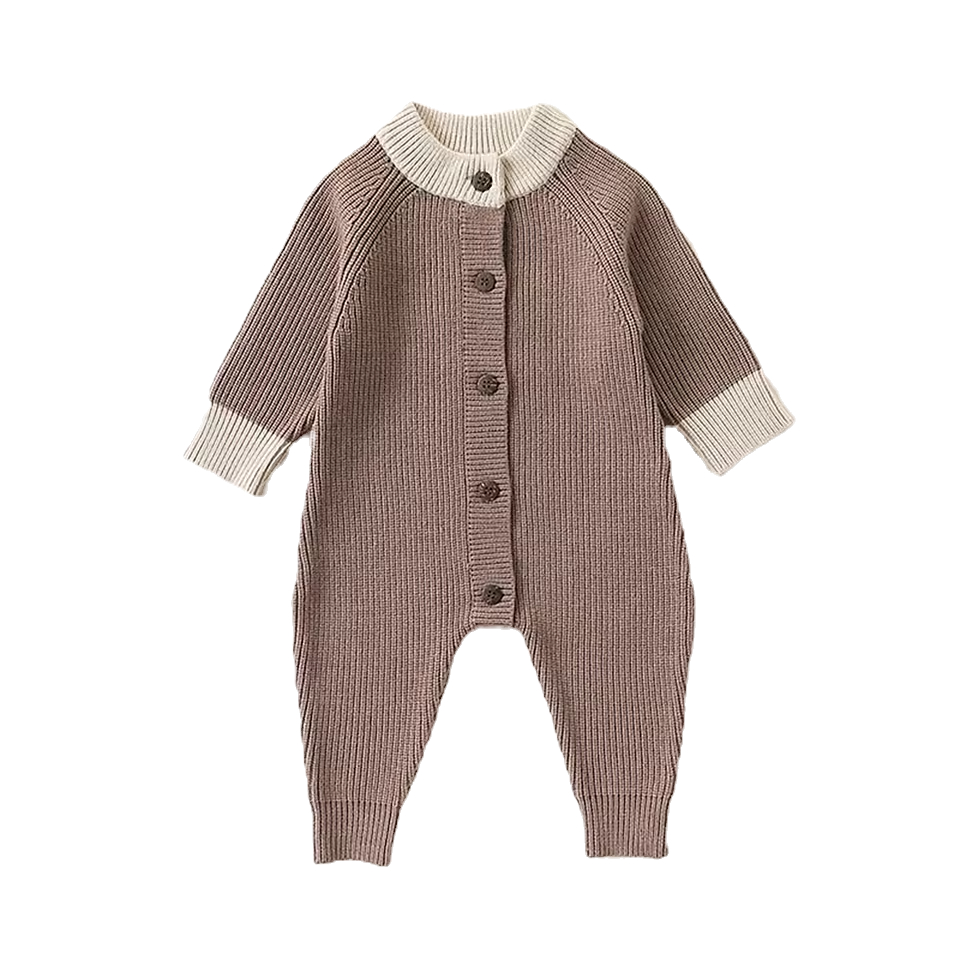
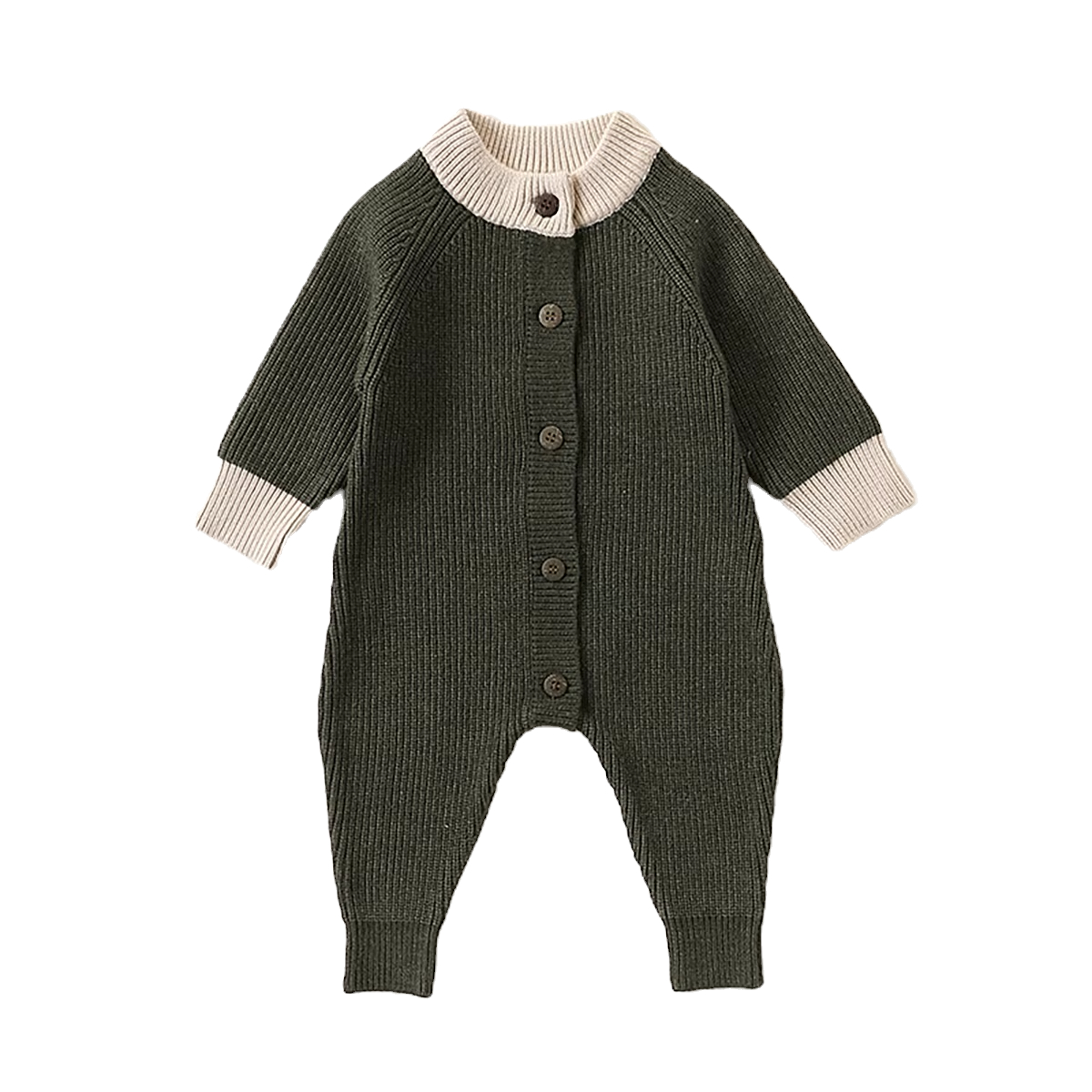
Building a wardrobe for a sensitive-skinned baby doesn't have to be overwhelming. I focus on versatile, comfortable pieces that can mix and match easily. Soft cotton rompers, gentle cardigans, and breathable basics form the foundation of what I choose.
I've found that investing in fewer, higher-quality pieces works better than having a closet full of clothes that might cause irritation. When I find brands and specific items that work well for my baby's skin, I tend to stick with them and even buy multiples in different sizes.
The beauty of creating this gentle wardrobe is watching how much more comfortable and content our little ones can be. Those peaceful moments when they're not fussing about scratchy clothes or irritated skin: those are the moments that make all the careful choosing worthwhile.
For more insights on choosing the best fabrics for your little one, I recommend reading about why cotton is the best choice for baby clothes and learning about organic cotton versus regular cotton differences.
Choosing clothes for our sensitive-skinned babies is really about choosing love, comfort, and peace of mind. Every soft cotton romper, every carefully selected organic fabric, every gentle wash cycle: it's all part of how we wrap our little ones in care and create those beautiful, comfortable moments that make up their earliest days.


Comments