
The Ultimate Guide to Organic Cotton Baby Clothes: Why Your Little One's Skin Will Thank You
- claesam
- Nov 18, 2025
- 6 min read
Updated: Nov 20, 2025
When I first held my little one, I was amazed by how incredibly soft and delicate their skin felt: almost like silk. It got me thinking about everything that would touch that precious skin, especially the clothes they'd wear day and night. That's when I discovered the world of organic cotton baby clothes, and honestly, it changed everything about how I approached dressing our little ones.
As parents, we want nothing but the best for our babies, and their clothing is no exception. After diving deep into research and experiencing the difference firsthand, I'm excited to share why organic cotton isn't just a trend: it's a loving choice that our babies' skin will genuinely thank us for.
Understanding Our Baby's Delicate Skin
Our little ones come into this world with skin that's incredibly different from ours. Baby skin is about 30% thinner than adult skin, making it far more absorbent and sensitive to everything it encounters. I remember being surprised to learn that babies can absorb substances through their skin up to three times faster than we can.
This means that whatever chemicals, dyes, or synthetic materials are in their clothes don't just sit on the surface: they can actually penetrate that delicate skin barrier. When I realized this, it made perfect sense why so many babies struggle with rashes, irritation, and unexplained fussiness that often clears up when parents switch to gentler fabrics.
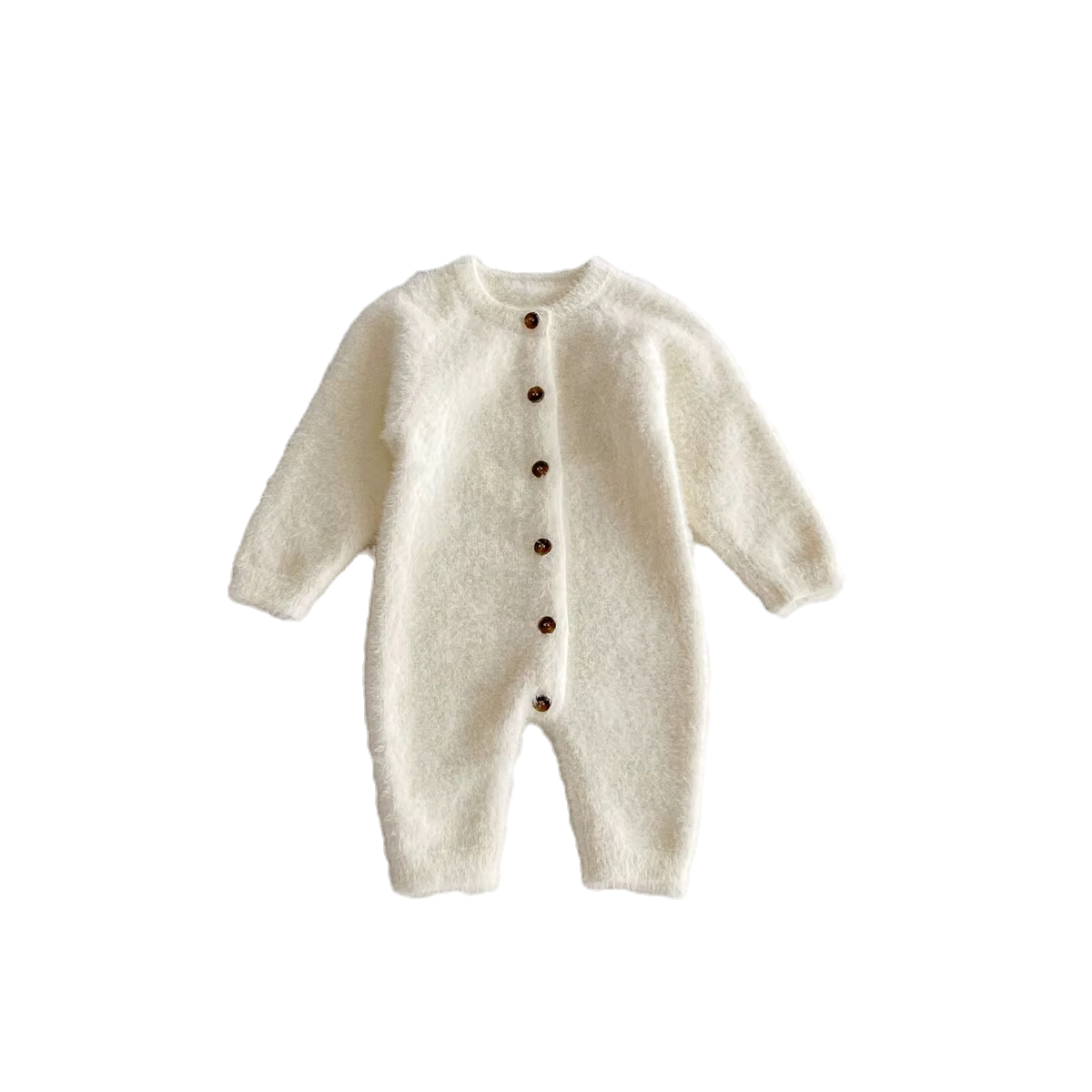
The developing nature of baby skin also means their natural protective barrier isn't fully formed yet. While this makes them incredibly soft to touch, it also makes them more vulnerable to irritants that wouldn't bother us adults. This is why choosing the right fabric becomes so crucial: it's not just about comfort, it's about protection.
Why My Heart Led Me to Organic Cotton
When I started researching fabrics for our baby, the benefits of organic cotton quickly became clear. But beyond the science, there's something deeply satisfying about knowing that what touches our baby's skin is as pure and natural as possible.
The Gentleness Factor
Organic cotton feels different from the moment you touch it. Without harsh chemicals breaking down the fibers during processing, organic cotton maintains its natural softness and actually gets softer with each wash. I love how our baby's organic cotton rompers become more snuggly over time, creating these incredibly cozy moments during bedtime routines.
The hypoallergenic properties of organic cotton have been a game-changer for us. Unlike conventional cotton that can contain residues from pesticides, bleaches, and synthetic dyes, organic cotton is grown and processed without these irritants. This means fewer mysterious rashes and more peaceful nights for everyone.
Breathing Room for Growing Bodies
One thing I particularly appreciate about organic cotton is how breathable it is. Babies can't regulate their body temperature the way we can: their little sweat glands aren't fully developed yet. Organic cotton's natural breathability helps prevent overheating and those uncomfortable heat rashes that can make our little ones so cranky.

During those warm summer months, I noticed such a difference in how comfortable our baby seemed in organic cotton versus synthetic blends. There's something magical about natural fibers that just work with a baby's body instead of against it.
The Hidden Dangers in Conventional Baby Clothes
Before discovering organic cotton, I had no idea what was lurking in regular baby clothes. Conventional cotton production uses an enormous amount of synthetic pesticides and herbicides: in fact, cotton crops account for about 25% of global pesticide use despite being grown on less than 3% of farmland.
But the concerns don't stop at the farm. During manufacturing, conventional cotton goes through chemical-heavy processes including bleaching with chlorine, treatment with formaldehyde-based resins, and dyeing with synthetic colors that can contain heavy metals. Many of these substances remain in the fabric even after multiple washes.

When I learned that babies wearing conventional cotton clothing could be absorbing trace amounts of these chemicals through their skin 24/7, it was an easy decision to make the switch. The peace of mind alone has been worth every penny.
What Makes Organic Cotton Different
The journey of organic cotton from seed to garment tells a completely different story. Organic cotton farmers use natural methods like crop rotation, beneficial insects, and organic matter to maintain soil health and control pests. No synthetic pesticides, herbicides, or genetically modified seeds are allowed.
The processing is equally gentle. Instead of harsh chemical bleaches, organic cotton is whitened with hydrogen peroxide or left in its natural state. Natural dyes or low-impact synthetic dyes replace heavy metal-laden conventional dyes. The result is fabric that maintains its natural integrity while being safe for the most sensitive skin.
My Personal Guide to Choosing Organic Cotton Baby Clothes
After years of experience and plenty of trial and error, I've developed my own approach to selecting the best organic cotton pieces for our little ones.
Look for Certifications That Matter
I always check for GOTS (Global Organic Textile Standard) certification. This isn't just about the cotton being organic: it ensures the entire supply chain meets strict environmental and social criteria. When I see that GOTS label, I know the garment is free from formaldehyde, flame retardants, and other harmful substances.
Consider Organic Pima Cotton for Special Pieces
For items that get lots of wear, like everyday rompers and sleep suits, I love choosing organic Pima cotton. The longer fibers make it incredibly durable and soft, with less pilling over time. It's become my go-to for pieces I want to last through multiple children or seasons.
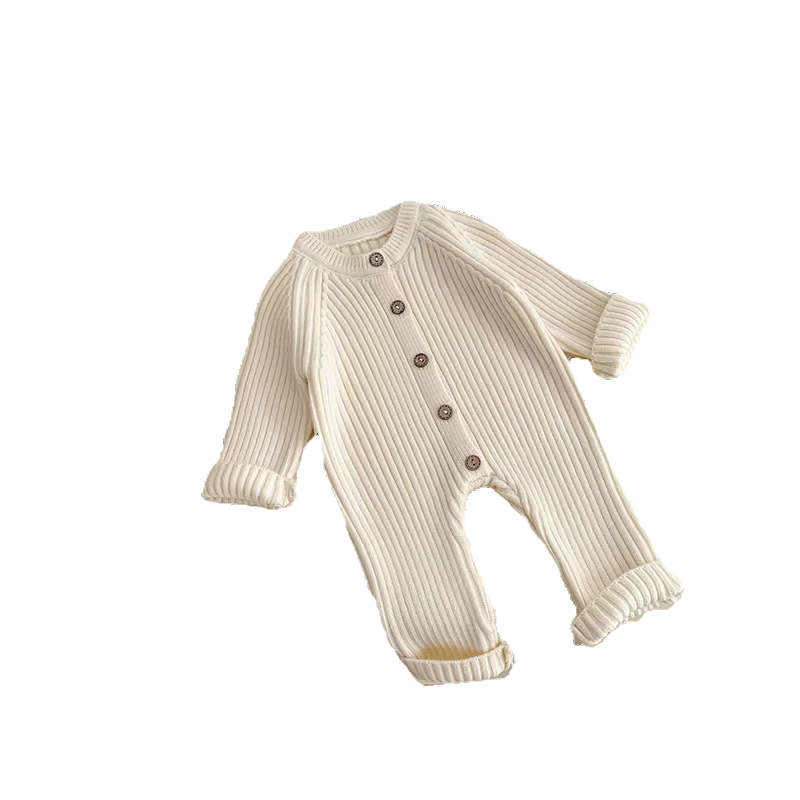
Embrace Natural Colors and Simple Designs
I've found that the most beautiful organic cotton pieces often come in natural, undyed colors or use minimal, eco-friendly dyes. These cream, sage, and soft earth tones not only look timeless in photos but also indicate less chemical processing.
The Joy of Organic Cotton in Daily Life
There's something special about dressing our babies in organic cotton that goes beyond just the practical benefits. When I'm doing that early morning diaper change and my sleepy baby snuggles into their soft organic cotton romper, there's a moment of pure contentment knowing they're wrapped in something so pure and gentle.
The durability has been remarkable too. Our favorite organic cotton pieces have been worn by multiple little ones in our family and friend group, getting softer and more loved with each wash. There's something beautiful about how these garments age: they become more cherished over time rather than wearing out.
Easy Care for Busy Parents
One practical advantage I wasn't expecting is how well organic cotton holds up to frequent washing. With all the spit-ups, diaper leaks, and food adventures that come with babies, having clothes that can handle multiple wash cycles while staying soft is incredibly valuable.
Making the Investment Work for Your Family
I understand that organic cotton baby clothes often come with a higher price tag, and as parents, we're always balancing our budget with our values. Here's how I approach making this investment work:
Start with the essentials: a few high-quality organic cotton rompers, sleep suits, and onesies that will get daily use. These pieces will give you the most value and impact on your baby's comfort. You can gradually build your organic cotton wardrobe over time.
Consider the cost per wear. That $30 organic cotton romper that lasts through multiple children and countless washes often ends up being more economical than cheaper alternatives that need frequent replacement.
Creating Beautiful Moments
Some of my most treasured memories involve those quiet moments: nursing in soft organic cotton pajamas, cuddling during nap time in cozy rompers, or getting ready for family photos in beautiful natural fabrics. These moments feel even more special knowing that what touches our baby's skin is as pure and gentle as our love for them.
The confidence that comes with choosing organic cotton extends beyond just the fabric: it's about making thoughtful decisions that reflect our values as parents. When friends and family ask about our baby's incredibly soft, beautiful clothes, I love sharing the story of organic cotton and watching other parents discover this wonderful option for their little ones.
Choosing organic cotton baby clothes isn't just about avoiding harmful chemicals or embracing sustainability: though those are wonderful benefits. It's about honoring the incredible delicacy and preciousness of our babies by surrounding them with fabrics as pure and gentle as they are. When I see our little one sleeping peacefully in their organic cotton romper, skin happy and comfortable, I know we've made a choice that truly serves their wellbeing and ours.


Comments